
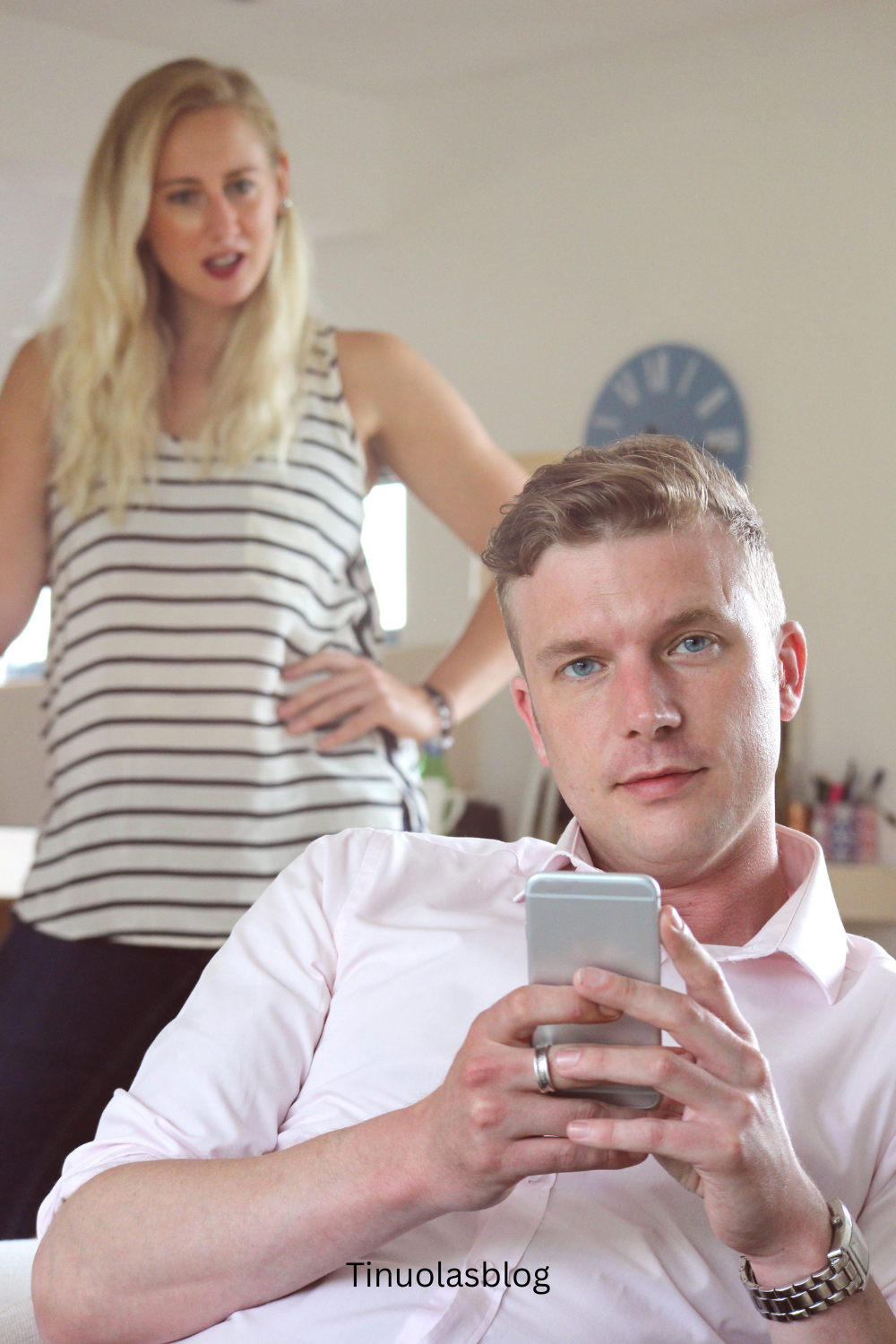
If you are noticing signs that your man hates you.
It can be difficult to understand what is happening in your relationship.
Love should make you feel valued, respected, and emotionally safe.
Although no relationship is perfect, the way your partner speaks to you can reveal a lot about your relationship’s health.
Have you noticed that your man has become increasingly critical, dismissive, or disrespectful toward you?
Perhaps he makes hurtful comments, constantly puts you down, or says things that leave you questioning whether he still loves you.
When your man repeatedly says hurtful things, it is natural to wonder whether his feelings have changed. You may even find yourself asking, “Does my man hate me?”
While occasional arguments and disagreements are normal in relationships, a consistent pattern of cruelty, contempt, humiliation, or emotional rejection should never be ignored.
In this article, we explore 15 signs your man may resent you or have developed deep negative feelings toward you.
Including hurtful things he might say and what his words could mean.
We will also discuss how to respond and when his behavior may indicate an unhealthy or emotionally abusive relationship.
15 Signs Your Man Hates You: Hurtful Things He Says
Words can be powerful in a relationship.
They can communicate love, appreciation, and encouragement, but they can also cause emotional pain when used to criticize, humiliate, or belittle someone.
If your man frequently says hurtful things, pay attention to the pattern behind his words rather than judging the relationship by one argument.
Here are 15 hurtful things a man might say when he feels resentment, contempt, or emotional disconnection.
1. “I Don’t Care About You Anymore”

Hearing your partner say he no longer cares about you can be heartbreaking.
Especially when you have invested time, love, and effort into the relationship.
This statement may indicate emotional withdrawal, frustration, or resentment.
If he repeatedly dismisses your feelings and shows little interest in your well-being, it could suggest that he has emotionally disconnected from the relationship.
However, one statement made during an argument does not necessarily reveal his true feelings.
What matters is whether his actions consistently show a lack of care.
A loving relationship should involve mutual concern, even during difficult times.
2. “You’re Always Getting on My Nerves”
Does your man seem irritated by almost everything you do?
Perhaps he complains when you ask questions, becomes annoyed when you try to have a conversation, or makes you feel like your presence is a burden.
Constant irritation may be a sign of unresolved relationship problems, resentment, or poor communication.
Everyone gets frustrated occasionally, but you should not have to feel guilty simply for expressing yourself or wanting attention from your partner.
3. “I Wish I Had Never Met You”
This is one of the most painful things a partner can say.
When a man tells you he regrets meeting you, he may be expressing anger, disappointment, or resentment.
If he repeatedly uses your relationship history against you, it can create emotional insecurity and make you question your worth.
Disagreements should never become an excuse to make someone feel that their entire presence in your life was a mistake.
If he repeatedly tells you he regrets being with you, take it seriously and consider whether the relationship is still emotionally healthy.
4. “You’re Not Good Enough for Me”

A healthy partner should encourage you to grow rather than constantly make you feel inadequate.
If your man regularly tells you that you are not attractive, intelligent, successful, or worthy enough for him, he may be trying to undermine your confidence.
Such comments can gradually affect your self-esteem, particularly when they come from someone whose opinion matters deeply to you.
Remember that your worth is not determined by your partner’s approval.
You deserve to be treated with respect, regardless of your differences or imperfections.
5. “Nobody Else Would Want You”
This statement is particularly hurtful because it attacks your confidence and suggests that you should be grateful to have him.
A man who repeatedly tells you that nobody else would want you may be attempting to make you feel dependent on him.
This kind of language can be a warning sign of emotional abuse, especially when accompanied by controlling behavior, isolation, or intimidation.
A healthy relationship should not make you believe that you have no value outside your partner.
6. “You’re the Reason I’m Unhappy”
Every relationship has challenges, and both partners may contribute to disagreements.
However, if your man constantly blames you for his unhappiness, he may be avoiding responsibility for his own feelings and behavior.
You might find yourself apologizing even when you have done nothing wrong, simply because you want to restore peace.
A healthy relationship requires both people to acknowledge their mistakes and take responsibility for their actions.
You cannot carry the emotional responsibility for another person’s happiness alone.
7. “I Can’t Stand Being Around You”
When your man says he cannot stand being around you, it can make you feel rejected and unwanted.
Perhaps he avoids spending time with you, becomes irritated when you enter a room, or makes negative comments whenever you try to connect with him.
Repeated rejection can create emotional distance between partners.
While everyone needs personal space occasionally, consistently making your partner feel unwelcome can damage the relationship.
You deserve a relationship in which both people genuinely want to spend time together.
8. “Why Can’t You Be More Like Other Women?”

Comparing you with other women is another hurtful behavior that can damage your confidence.
He may compare your appearance, cooking, career, personality, or achievements with those of someone else.
Such comparisons can make you feel that you are constantly competing for his approval.
A loving partner should appreciate your individuality rather than make you feel inferior to other people.
You are not required to become someone else to deserve love and respect.
9. “You’re So Stupid”
Insulting your intelligence during disagreements is disrespectful.
Perhaps he calls you stupid when you make mistakes, ask questions, or express an opinion that differs from his.
Repeated name-calling is not healthy communication. It can gradually make you afraid to speak up or share your thoughts.
Disagreements should focus on the issue being discussed, not involve attacks on someone’s intelligence or personal worth.
10. “I Don’t Know Why I Married You”

If you are married, hearing your husband repeatedly question why he married you can be deeply upsetting.
This statement may reflect unresolved disappointment, anger, or resentment within the marriage.
However, repeatedly using marriage regrets to hurt you is not a constructive way to address relationship problems.
If he is unhappy in the marriage, he should be willing to communicate honestly about what is wrong rather than constantly making you feel unwanted.
11. “Leave Me Alone. I Don’t Want to Hear Your Problems”
Everyone experiences stressful days when they may not have the emotional energy to listen to another person’s concerns.
However, consistently dismissing your feelings can create emotional loneliness within a relationship.
If your man refuses to listen whenever you are struggling, you may begin to feel that your emotions do not matter.
A healthy partner may sometimes need time to process things, but they should also be willing to make space for your feelings.
12. “You’re Always Ruining Everything”
Does your man blame you whenever something goes wrong?
Perhaps he holds you responsible for disagreements, family problems, financial difficulties, or situations beyond your control.
Constant blame can make you feel as though you are always doing something wrong.
A relationship should involve teamwork, accountability, and understanding.
Both partners need to recognize that mistakes happen and that problems should be addressed together.
13. “I Don’t Find You Attractive Anymore”

Physical attraction can change throughout a relationship for many reasons, including stress, personal circumstances, and emotional difficulties.
However, repeatedly using your appearance to insult or humiliate you is unacceptable.
If your man constantly criticizes your body, weight, clothing, or physical appearance, he may be undermining your confidence.
You should never have to tolerate body shaming to maintain a relationship.
A respectful partner should be able to discuss intimacy and attraction without deliberately making you feel undesirable.
14. “Do Whatever You Want. I Don’t Care”
Indifference can sometimes be just as painful as anger.
When your man repeatedly responds to your concerns with statements such as “I don’t care.”
It may indicate emotional withdrawal or an unwillingness to address relationship problems.
You may feel that you are the only person making an effort to keep the relationship going.
Although partners do not have to agree on everything, both people should demonstrate some interest in resolving important issues.
A relationship cannot thrive when one person consistently refuses to participate emotionally.
15. “I Wish I Could Start My Life Without You”
This statement can make you question whether your partner still wants to be in the relationship.
If he frequently talks about a future without you, expresses regret about being together, or makes you feel like an obstacle to his happiness, there may be serious unresolved problems.
Rather than ignoring repeated comments like these, consider having an honest conversation about the future of your relationship.
You deserve clarity rather than being left to wonder where you stand.
Other Signs Your Man May Resent You
Hurtful words are not the only way resentment or emotional disconnection may appear.
Sometimes, a man’s behavior changes before he openly expresses how he feels.
Here are additional signs worth paying attention to:
- He avoids spending time with you: He constantly finds reasons to stay away and rarely makes an effort to connect.
- He dismisses your feelings: Whenever you express sadness or frustration, he treats them as unimportant.
- He rarely shows affection: Physical affection, thoughtful gestures, and emotional closeness have noticeably decreased.
- He constantly criticizes you: Instead of appreciating your efforts, he focuses on your mistakes and shortcomings.
- He refuses to communicate: He avoids meaningful conversations about problems affecting your relationship.
- He shows little interest in your life: He rarely asks about your day, goals, worries, or personal experiences.
These behaviors do not automatically mean he hates you. Stress, depression, unresolved conflict, and other personal circumstances can also affect someone’s behavior.
However, persistent patterns of disrespect, rejection, and emotional neglect deserve attention.
Why Does Your Man Say Hurtful Things to You?
There may be different reasons a man says hurtful things to his partner.
Understanding the possible causes can help you decide how to approach the situation.
1. Unresolved resentment: He may have accumulated frustration about issues that have never been properly discussed.
2. Poor communication skills: Some people struggle to express anger, disappointment, or frustration without becoming insulting.
3. Emotional disconnection: He may feel distant from the relationship and express that distance through criticism or indifference.
4. Unhealthy conflict patterns: If arguments regularly involve insults, blame, and humiliation, the relationship may have developed destructive communication habits.
5. A desire to control or undermine you: In some relationships, hurtful language is deliberately used to weaken a partner’s confidence and make them feel powerless.
Understanding why someone behaves this way does not mean you have to accept it.
Whatever the explanation, both partners remain responsible for treating each other with respect.
Can a Man Love You and Still Say Hurtful Things?
Yes, someone can have feelings for you and still behave in ways that hurt you.
People sometimes say things they regret during arguments.
Stress, anger, frustration, and unresolved relationship problems can affect how they communicate.
However, loving someone does not make repeated disrespect acceptable.
There is an important difference between a partner who makes a mistake, recognizes the damage, apologizes sincerely, and changes their behavior and someone who repeatedly insults you without taking responsibility.
Pay attention to what happens after the argument.
Does he acknowledge your feelings?
Does he make an effort to communicate better? Does he take responsibility for his words?
Genuine improvement requires more than saying “I’m sorry.” It requires consistent behavioral change.
What to Do When Your Man Keeps Saying Hurtful Things
If your partner repeatedly makes hurtful comments.
It is important to protect your emotional well-being rather than constantly trying to win his approval.
Here are some practical steps to consider.
1. Talk About How His Words Affect You
If you feel safe doing so, choose a calm moment to explain how his comments affect you.
Instead of responding with insults, communicate clearly.
For example, you could say:
“When you call me names or make negative comments about me, I feel disrespected and emotionally hurt.
I want us to communicate without attacking each other.”
His response can help you understand whether he is willing to work on the relationship.
2. Establish Clear Boundaries
Let him know that insults, humiliation, threats, and disrespect are not acceptable ways to communicate.
Boundaries are not about controlling another person.
They are about deciding which behaviors you will accept and which steps you will take to protect yourself.
3. Stop Blaming Yourself for Everything
It is easy to start questioning yourself when someone constantly criticizes you.
You may begin wondering whether you are too sensitive, too demanding, or difficult to love.
Remember that you are not responsible for another person’s decision to insult or humiliate you.
Both partners should be accountable for their behavior.
4. Consider Professional Relationship Support
If both partners feel safe and genuinely want to improve the relationship, a qualified couples counselor may help them address communication problems and unresolved conflict.
However, if there is intimidation, coercion, or abuse, individual support and specialized domestic violence services may be more appropriate than couples counseling.
5. Protect Your Emotional Well-Being
Spend time with supportive friends and family members. Continue pursuing your interests, goals, and personal development.
Do not allow your entire sense of identity to revolve around whether your partner is happy with you.
Your emotional well-being matters too.
6. Evaluate Whether the Relationship Is Healthy
Ask yourself some important questions:
- Do I feel respected in this relationship?
- Can I express my feelings without being insulted?
- Does my partner acknowledge his mistakes?
- Am I constantly afraid of upsetting him?
- Do I feel emotionally safe around him?
Your answers may help you understand whether the relationship needs serious changes.
If you experience repeated humiliation, intimidation, threats, or controlling behavior, consider speaking privately with a domestic violence support service.
You do not have to wait for physical violence before seeking help.
When Hurtful Words Become Emotional Abuse
Not every argument or hurtful comment is emotional abuse.
However, repeated insults, humiliation, intimidation, isolation, threats, and controlling behavior can be signs of emotional or verbal abuse.
For example, if your man constantly tells you that nobody else will love you, controls who you communicate with, threatens you, or makes you question your own reality.
These behaviors should not be dismissed as ordinary relationship disagreements.
Emotional abuse can affect your confidence, independence, and mental well-being.
If you feel unsafe, prioritize your safety. Consider reaching out to someone you trust or contacting a domestic violence organization for confidential guidance.
In the United States, the National Domestic Violence Hotline offers support at 1-800-799-SAFE (7233), or by texting START to 88788. If you are in immediate danger, call 911.
You deserve a relationship built on respect, not fear.
Frequently Asked Questions
How do you know if your man secretly hates you?
There is no reliable way to determine someone’s feelings simply by observing a few behaviors. However, persistent hostility, contempt, rejection, humiliation, and a lack of willingness to address relationship problems may indicate serious resentment or emotional disconnection.
What are the signs your husband resents you?
Some possible signs include constant criticism, frequent arguments, emotional withdrawal, dismissing your concerns, avoiding quality time, and repeatedly bringing up past disagreements. These behaviors may indicate unresolved relationship problems, but they do not prove hatred.
Why does my boyfriend say hurtful things when he is angry?
Some people struggle to manage their emotions during disagreements and resort to insults or blame.
Others may use hurtful language to control or intimidate their partners. Anger does not excuse disrespectful behavior.
Can a relationship survive hurtful words?
Yes, some relationships recover from hurtful communication when both partners acknowledge the damage, take responsibility, and make consistent efforts to change.
However, recovery requires genuine commitment from both people.
Should I leave a man who constantly insults me?
You deserve to be treated with dignity and respect.
If your partner repeatedly insults, humiliates, threatens, or controls you and refuses to change, it may be time to reconsider the relationship.
If you fear his reaction, seek confidential support and plan for your safety before taking action.
Conclusion
When your man repeatedly says hurtful things, it is natural to question his feelings and wonder whether he still loves you.
However, try not to focus only on whether he hates you.
Pay attention to how he treats you, whether he respects your boundaries, and whether he is willing to take responsibility for his behavior.
A relationship should not make you feel worthless, unwanted, or afraid to express yourself.
You deserve love that comes with kindness, respect, honesty, and emotional security.
Never forget that your worth is not determined by how a man chooses to treat you.
